Integrated Application of Membrane Capacitive Deionization (MCDI) in Ammonia Nitrogen Wastewater and Ammonia-Containing Exhaust Gas Treatment Systems
Date Published: August 13, 2026
Abstract
A semiconductor manufacturer introduced membrane capacitive deionization (MCDI) into its ammonia nitrogen wastewater and ammonia-containing exhaust gas treatment system. After the ammonia nitrogen wastewater undergoes ammonia stripping, the resulting ammonia-containing gas enters the scrubbing and electrochemical treatment system. A portion of the circulating water from the second scrubber is introduced into the MCDI system to reduce the ionic concentration and conductivity of the circulating water. The MCDI-treated water is returned to the second scrubber, and the regeneration concentrate is returned to the first scrubber. Under the operating conditions of this case, the conductivity of the circulating water was controlled below 1,300 μS/cm. Compared with the original operating mode that controlled conductivity through make-up water, the scrubber make-up water volume was reduced by approximately 33%.
Technology Implementation and Process
A semiconductor manufacturer generates ammonia nitrogen wastewater and ammonia-containing process exhaust gas during its manufacturing process. For wastewater treatment, the conventional process first adds liquid alkali to the wastewater to raise the pH, and then uses stripping equipment to strip the ammonia nitrogen from the water into the gas phase. The stripped ammonia gas combines with the exhaust gas collected from the upstream process and is conveyed to the scrubbing system for treatment. Finally, the system uses electrochemical indirect oxidation to generate hypochlorous acid through electrolysis, which is introduced into reactors connected in series to oxidize and decompose the captured ammonia nitrogen into harmless nitrogen gas for discharge.
However, to capture ammonia gas, the scrubbing system must continuously add acidic chemicals such as sulfuric acid. In addition, sodium chloride is introduced during the operation of the electrolysis equipment. Long-term operation results in the formation of salts such as ammonium sulfate and sodium chloride in the circulating water. The gradual accumulation of these salts increases the conductivity of the water, thereby severely affecting gas–liquid mass transfer and ammonia absorption efficiency. The conventional approach requires large quantities of fresh water and chemicals to maintain system performance. This not only increases water consumption and operating costs, but is also unfavorable to water resource management at the facility. Furthermore, the acid scrubber still discharges wastewater, and an ammonia nitrogen wastewater treatment unit must still be installed in the wastewater treatment system to control the ammonia nitrogen concentration in the combined wastewater and comply with effluent regulations.
Ammonia nitrogen wastewater is conveyed from the storage tank to the ammonia stripping tower for treatment. The ammonia-containing gas generated during ammonia stripping enters the first scrubber and is captured by the scrubbing liquid before being conveyed to the electrochemical oxidation system and subsequent reaction unit for further treatment. The reacted gas is then treated by the second scrubber before discharge. (Figure 1)
To address the problem of reduced absorption efficiency caused by salt accumulation during long-term scrubber operation, the facility connected a second-stage scrubber to the existing system and introduced membrane capacitive deionization (MCDI) to improve circulating water quality and reduce water and chemical consumption. MCDI has ion-exchange membranes arranged on the surfaces of porous carbon electrodes on both sides. After a low voltage is applied, cations and anions in the water pass through the corresponding ion-exchange membranes and are adsorbed onto the surfaces of the porous carbon electrodes to form electrical double layers. This process achieves desalination and water purification, maintains conductivity below 1,300 μS/cm, maintains better gas–liquid mass transfer conditions, and thereby reduces the use of chemicals such as sulfuric acid. (Figure 2)
In addition, the high-concentration ammonium ion concentrate generated during MCDI system regeneration is returned to the upstream first scrubber system. Through the electrochemical electrolysis equipment connected to the first scrubber and the sodium chloride added to the system, chloride ions are converted by electrolysis into highly oxidative hypochlorous acid. The hypochlorous acid generated by this reaction serves as an indirect oxidant to oxidize and decompose ammonia nitrogen in the water into harmless nitrogen gas for discharge. Through this decomposition mechanism, the system can reduce the need to discharge ammonia nitrogen wastewater compared with a conventional acid scrubber.
Technological Achievements and Benefits
After the introduction of MCDI, the conductivity of the circulating water in the second-stage scrubber was stably controlled, reducing the system's demand for make-up water. Compared with the previous operating mode that relied solely on make-up water to maintain conductivity below 1,300 μS/cm, the scrubber make-up water volume was reduced by approximately 33% under the test conditions of this case, improving water use efficiency. At the same time, stable circulating water quality also effectively reduced chemical demand, further improving the operational stability and treatment performance of the overall system.
Operational testing indicates that the MCDI system reduces scrubber tower make up water consumption by approximately 33% compared to the conventional mode that relies solely on fresh water supplementation to maintain conductivity below 1,300 μS/cm. This reduction substantially improves water use efficiency.
Additionally, the stable control of recirculating water quality decreases chemical consumption and enhances overall operational stability and treatment performance.
This case demonstrates that MCDI can be applied not only to control circulating water conductivity, but also in combination with ammonia nitrogen treatment systems and scrubber operating requirements to achieve benefits such as water conservation, reduced chemical use, and pollution reduction. For businesses with exhaust gas scrubbing equipment, circulating water systems, or ammonia nitrogen wastewater treatment needs, MCDI can serve as a reference option for improving water use efficiency and reducing operating costs. Before implementation, the ionic composition and hardness of the influent and potential scaling should still be evaluated, together with electrode and ion-exchange membrane cleaning and replacement requirements, the flow path of the regeneration concentrate, electricity consumption, and maintenance and management conditions.
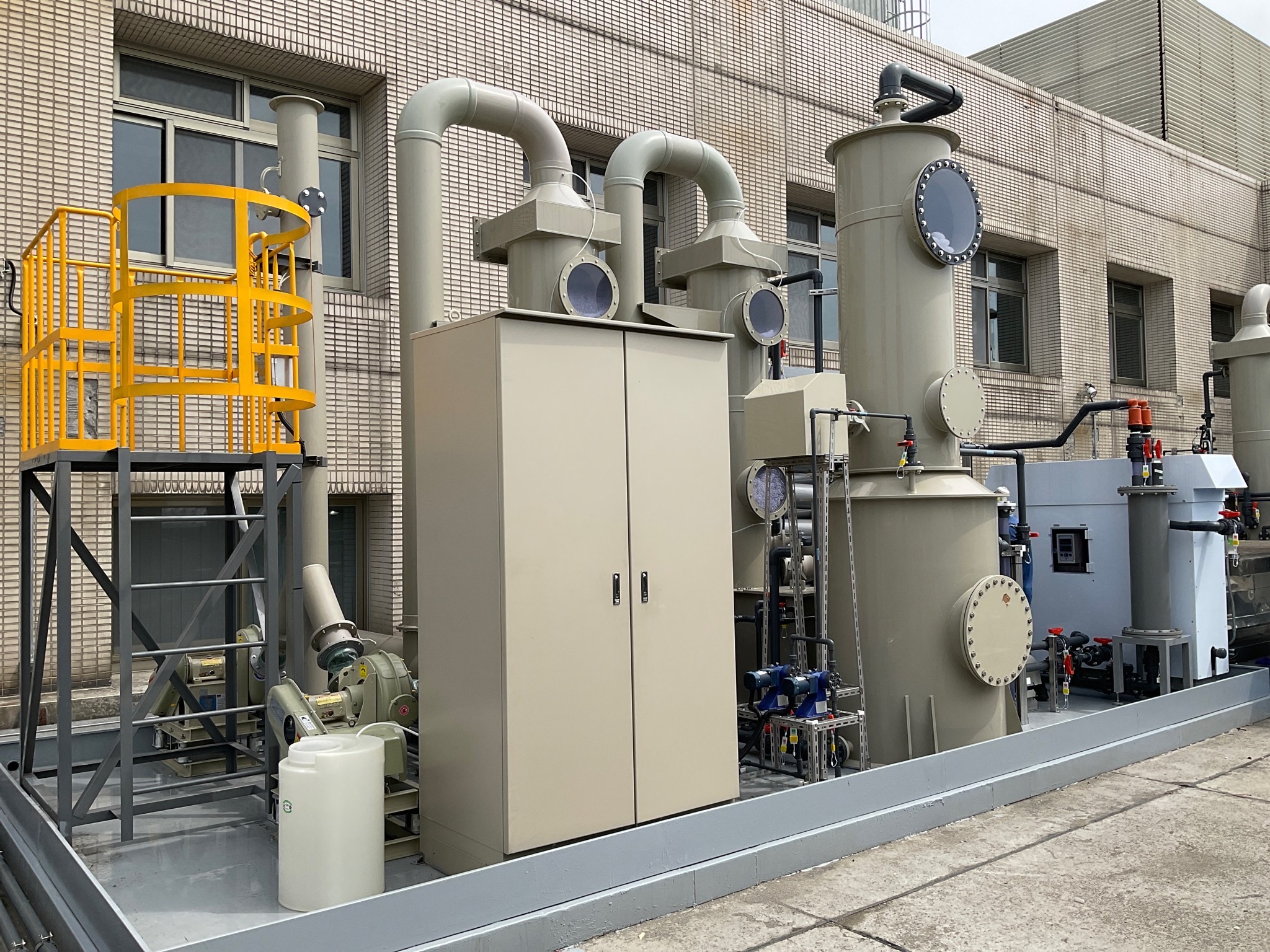
Figure 1. Scrubber Circulating Water Treatment System
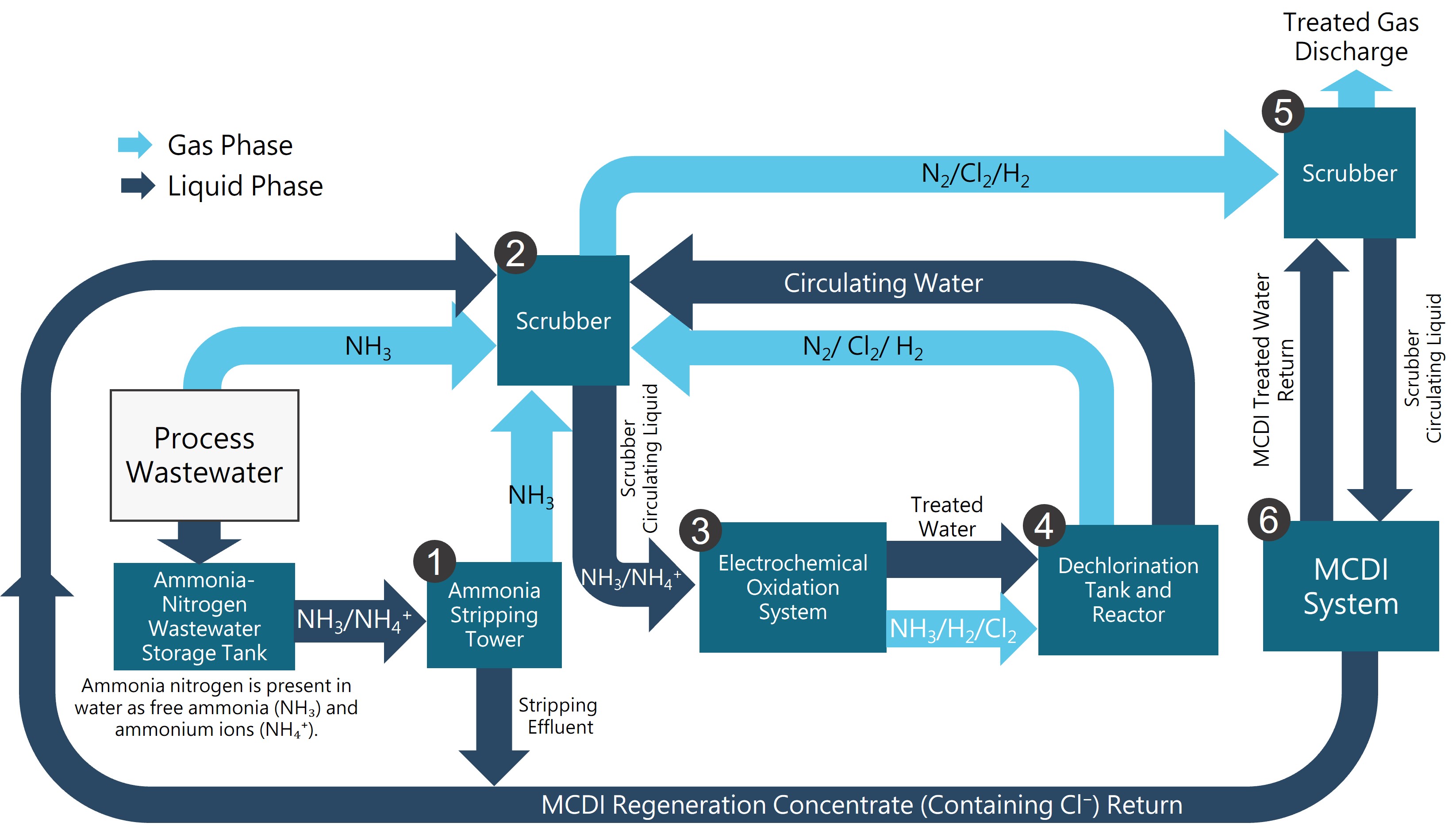
Figure 2. Process Flow Diagram of the Scrubber Circulating Water Treatment System

