Application of Polymeric Tubular Membrane Filtration (PTMF) Technology for Wafer Grinding Wastewater Treatment
Date Published: July 6, 2026
Abstract
A semiconductor manufacturing facility implemented Polymeric Tubular Membrane Filtration (PTMF) technology to treat wastewater from wafer cutting and grinding. Cross-flow filtration was used to improve the treatment efficiency of high-turbidity wastewater. The system has a treatment capacity of approximately 100 CMD and a water recovery rate of approximately 90%. The turbidity of the treated water is below 1 NTU, and following an internal water quality assessment, the treated water is reused in designated water-use units. Compared with the conventional coagulation-sedimentation process, this case reduced some chemical use, sludge generation, and wastewater discharge.
Technology Implementation and Process
A semiconductor manufacturing facility generates high-turbidity wastewater (>800 NTU) containing high concentrations of suspended solids, mainly composed of silicon-containing particles, during wafer cutting, grinding, and other processes. If such wastewater is combined at the conventional end-of-pipe stage and treated by coagulation and sedimentation, it requires large quantities of chemicals and generates large quantities of impurity sludge that is difficult to recover, substantially increasing operation and maintenance costs as well as subsequent sludge disposal costs.
To meet industry needs for water resource recycling, wastewater reduction, and green manufacturing, the facility adopted a process stream segregation strategy and implemented tubular membrane filtration technology to improve wastewater treatment performance.
To improve wastewater treatment efficiency and reclaimed water quality, the facility implemented Polymeric Tubular Membrane Filtration (PTMF) technology. The membrane is made of polystyrene (PS) and has a pore size of 20 nm. PTMF employs a cross-flow filtration mode, in which only a portion of the influent passes through the membrane pores. The concentrate that does not pass through the membrane surface is returned to the recirculation system, and a portion of the concentrate is discharged as required by operating conditions and sent to a filter press unit for treatment. The feed flows parallel to the filtration surface, while the filtrate passes perpendicularly through the filtration medium. This mechanism makes retained matter less likely to accumulate on the membrane surface and cause blockage. In addition, the shear force generated as the fluid flows across the filtration medium surface suppresses particle adhesion and filter cake growth, preventing filtration resistance from continuously increasing. Therefore, under appropriate operating and maintenance conditions, a certain filtration flux can be maintained, with a lower required backwashing frequency. (Figure 1)
In this case, PTMF technology was used to increase the concentration of wastewater from wafer cutting and grinding. While recovering a substantial volume of reclaimed water, the concentrated recirculation stream was processed with a filter press to produce sludge cakes, thereby removing high concentrations of suspended solids from the system.
Technological Achievements and Benefits
Following implementation, the system achieved a treatment capacity of 100 cubic meters per day (100 CMD) and a water recovery rate of approximately 90%. Actual operating results showed that the turbidity of the original wastewater was reduced from above 800 NTU to below 1 NTU. Following an internal water quality assessment, the treated water was reused in designated water-use units. (Figure 2)
In addition, based on the facility’s operating experience, compared with the conventional coagulation-sedimentation process for silicon-containing wastewater, the use of PTMF filtration technology reduced chemical use, sludge generation, and wastewater discharge, thereby improving the overall benefits of water resource recycling.
This case shows that tubular membrane technology can be applied to the treatment of wastewater with high turbidity and high concentrations of suspended solids. In addition to improving reclaimed water quality, it also helps reduce chemical use and sludge generation. For businesses requiring process water recovery or the treatment of wastewater with high concentrations of particulate matter, this case may serve as a reference for wastewater treatment. Before implementation, the influent composition, membrane fouling and cleaning requirements, recirculation pump energy consumption, membrane service life, concentrate and sludge cake disposal methods, and construction and operating costs should still be comprehensively evaluated.
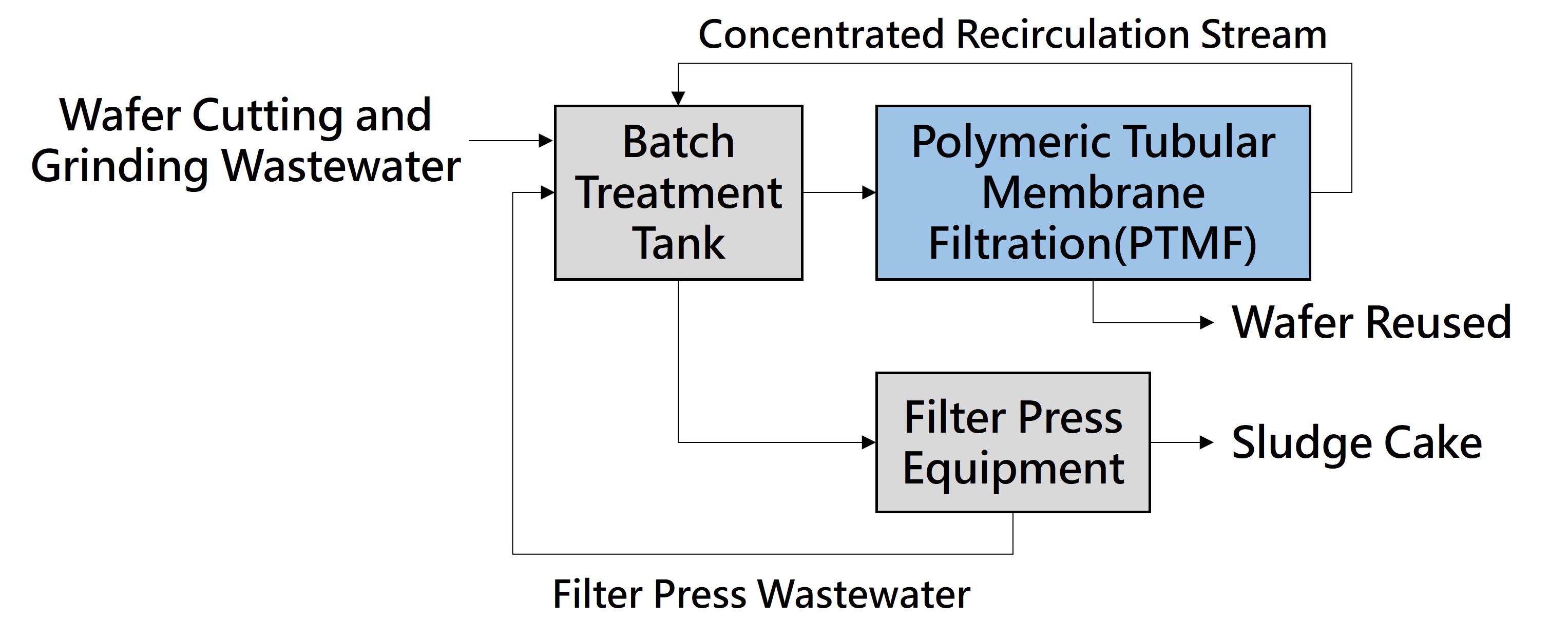
Figure 1. Process Flow Diagram for the treatment of wastewater using Polymeric Tubular Membrane Filtration technology at a semiconductor manufacturing facility
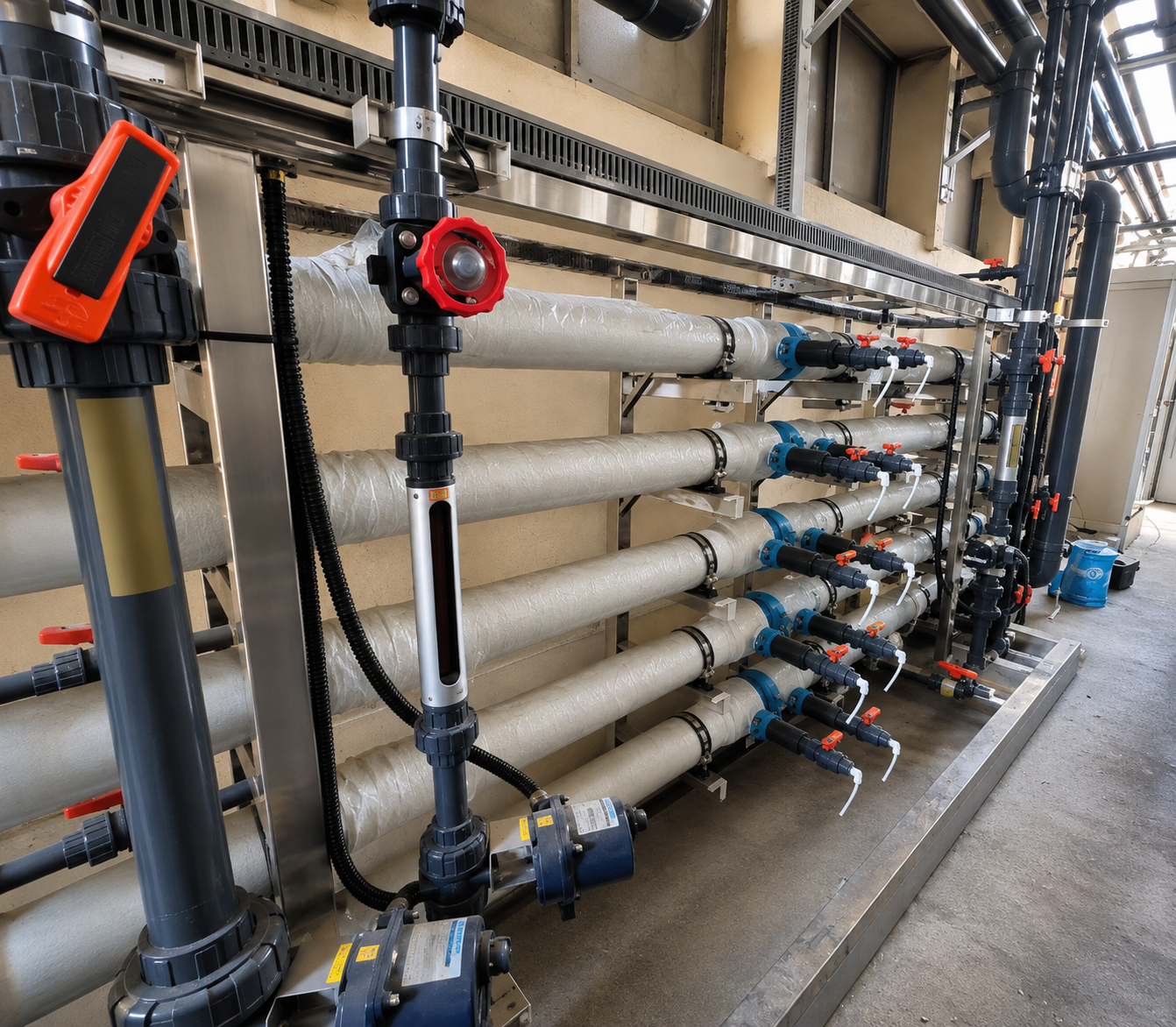
Figure 2. Photograph of Polymeric Tubular Membrane Filtration technology

